
Bringing the National Suicide Prevention Strategy to Life — Community Reflections from Across FNQ
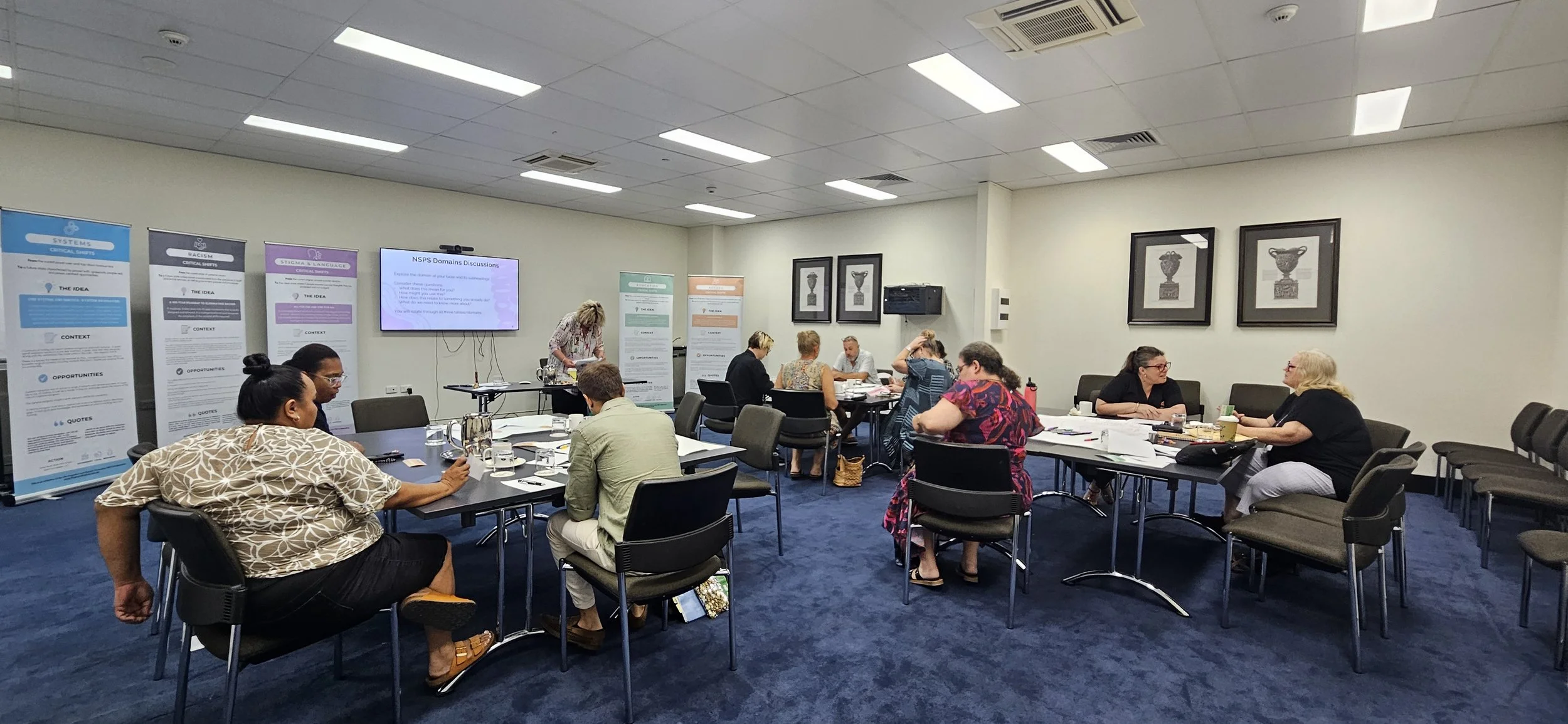
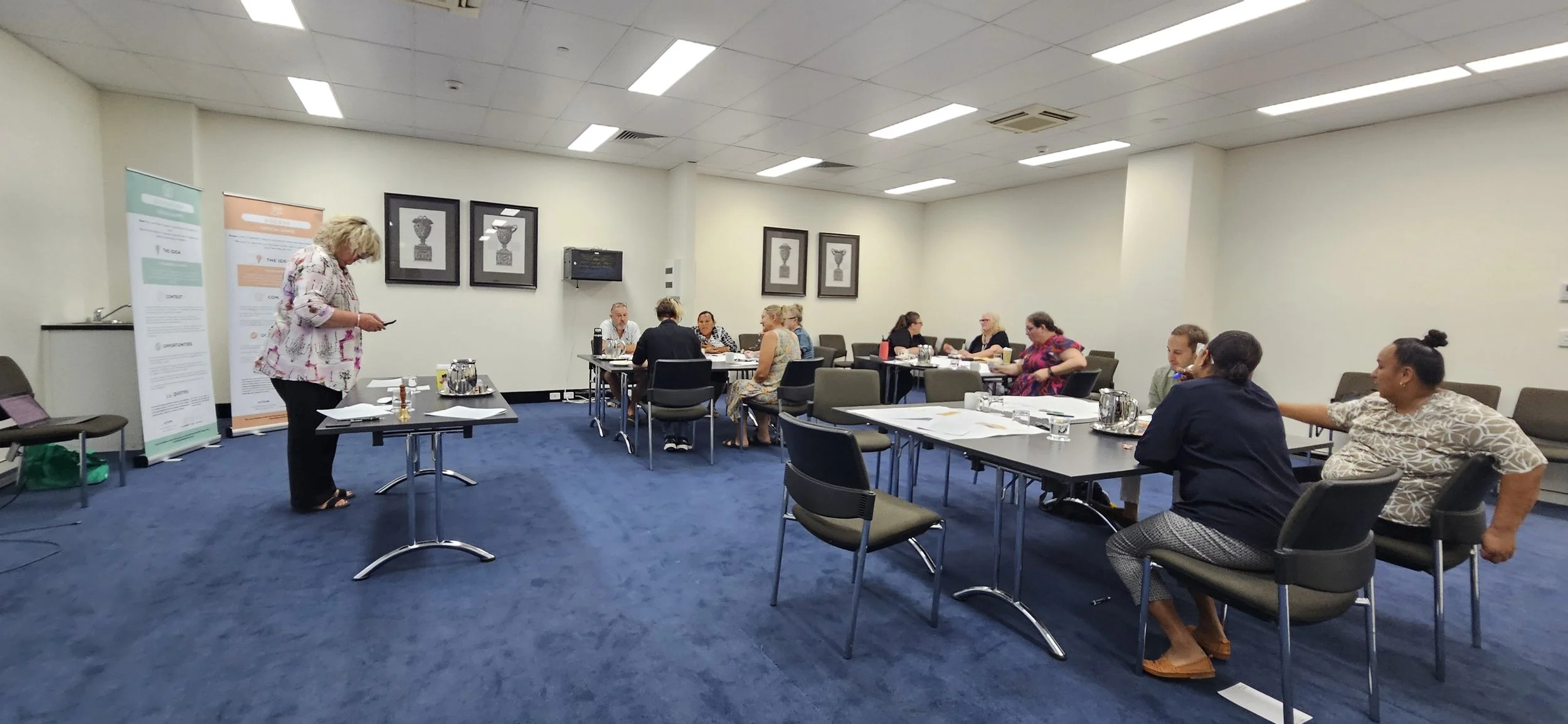
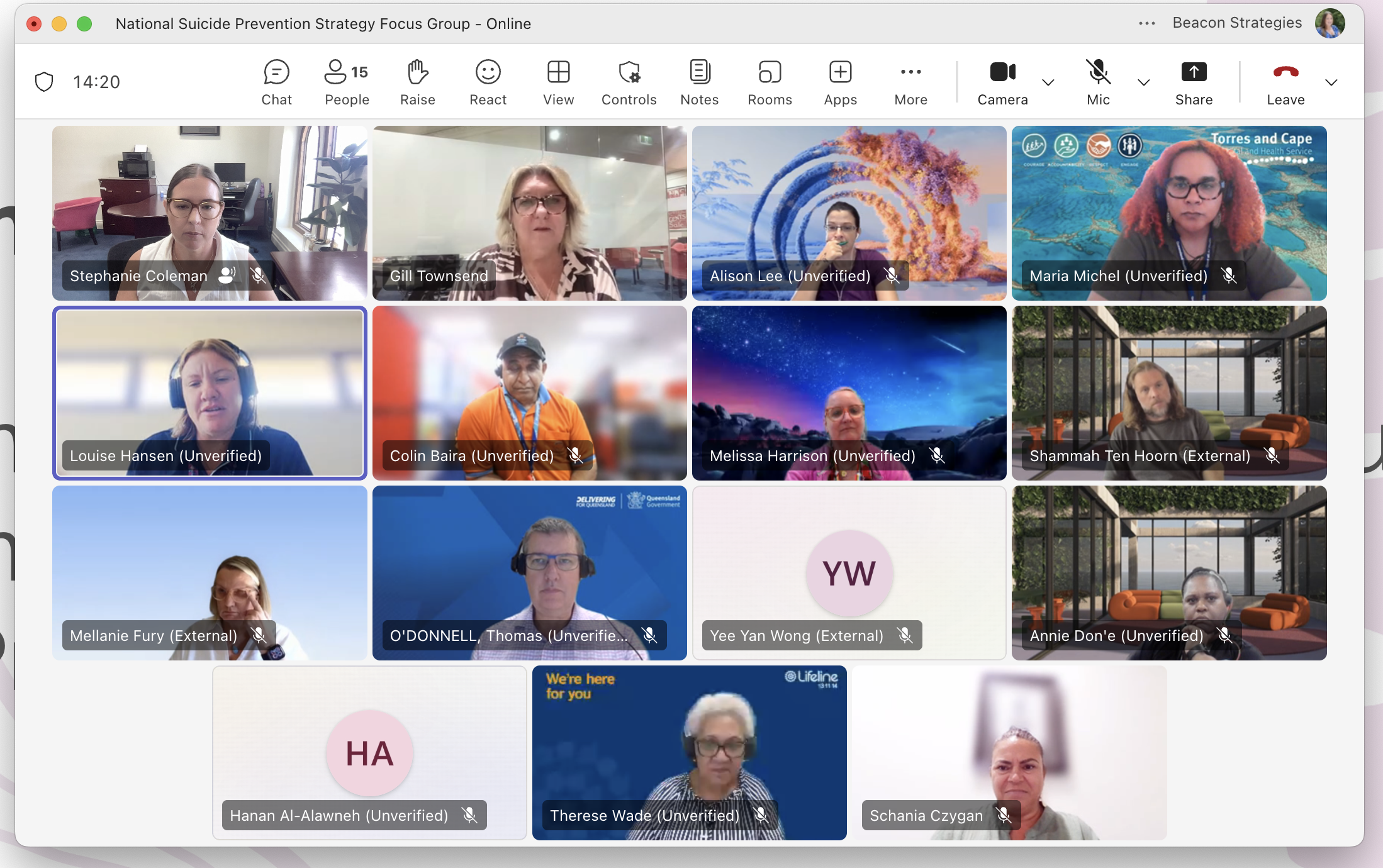
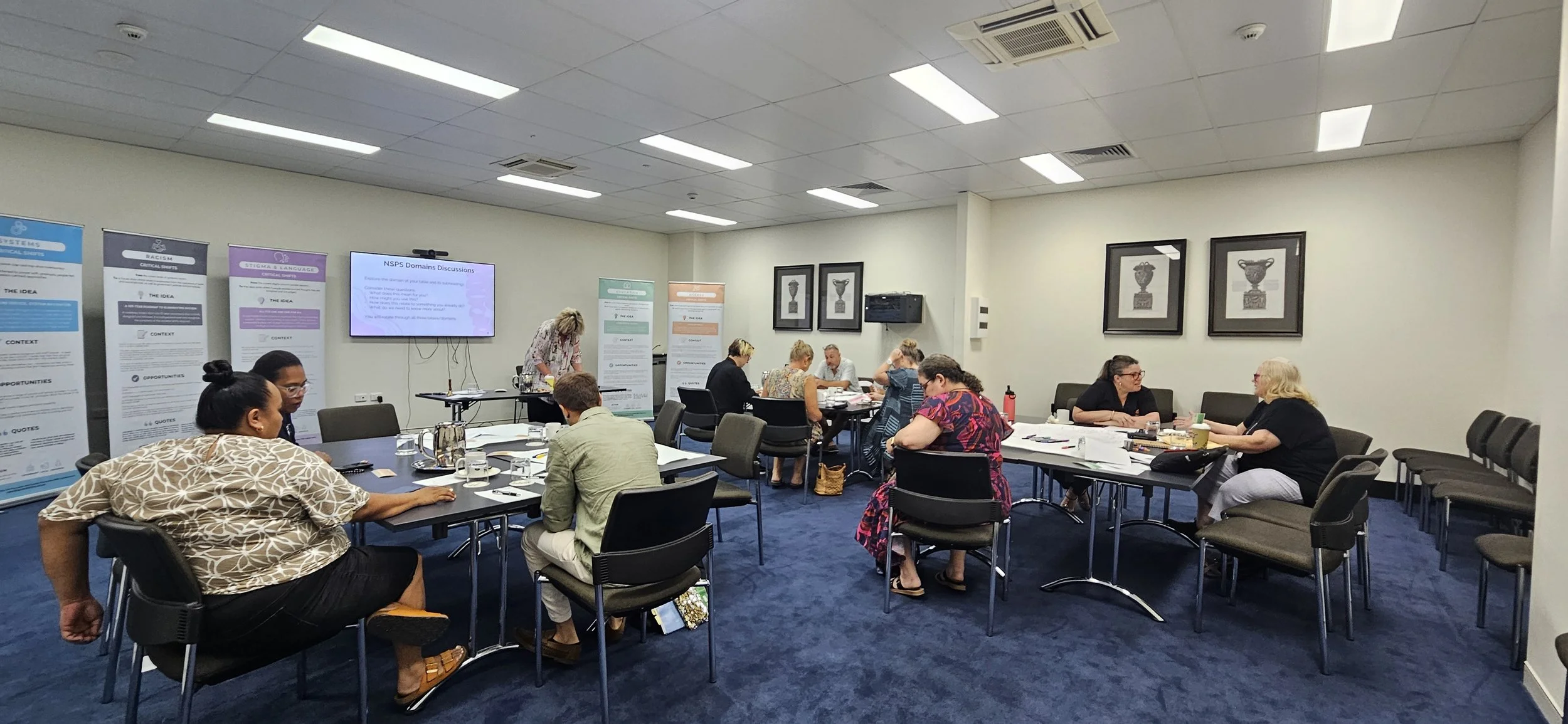
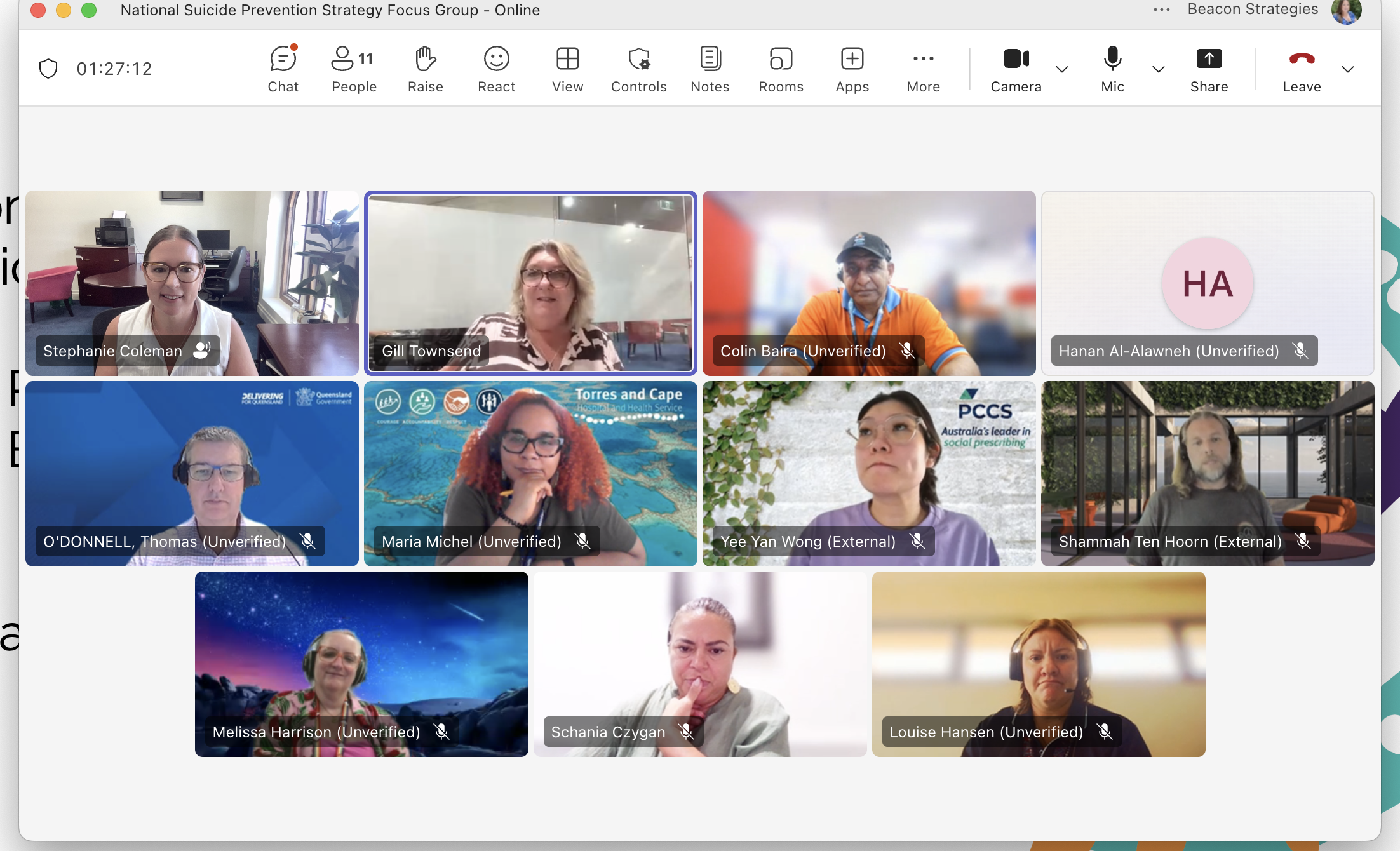
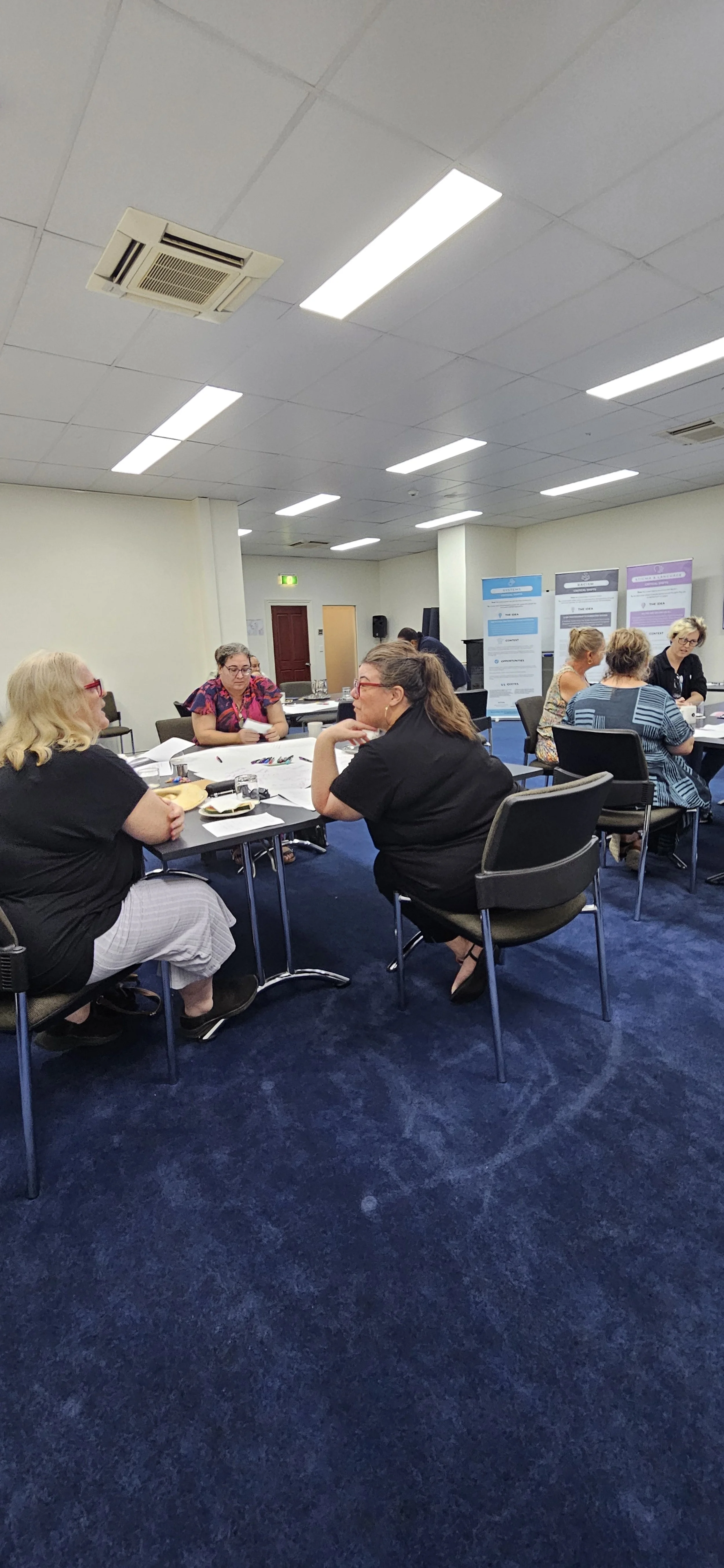
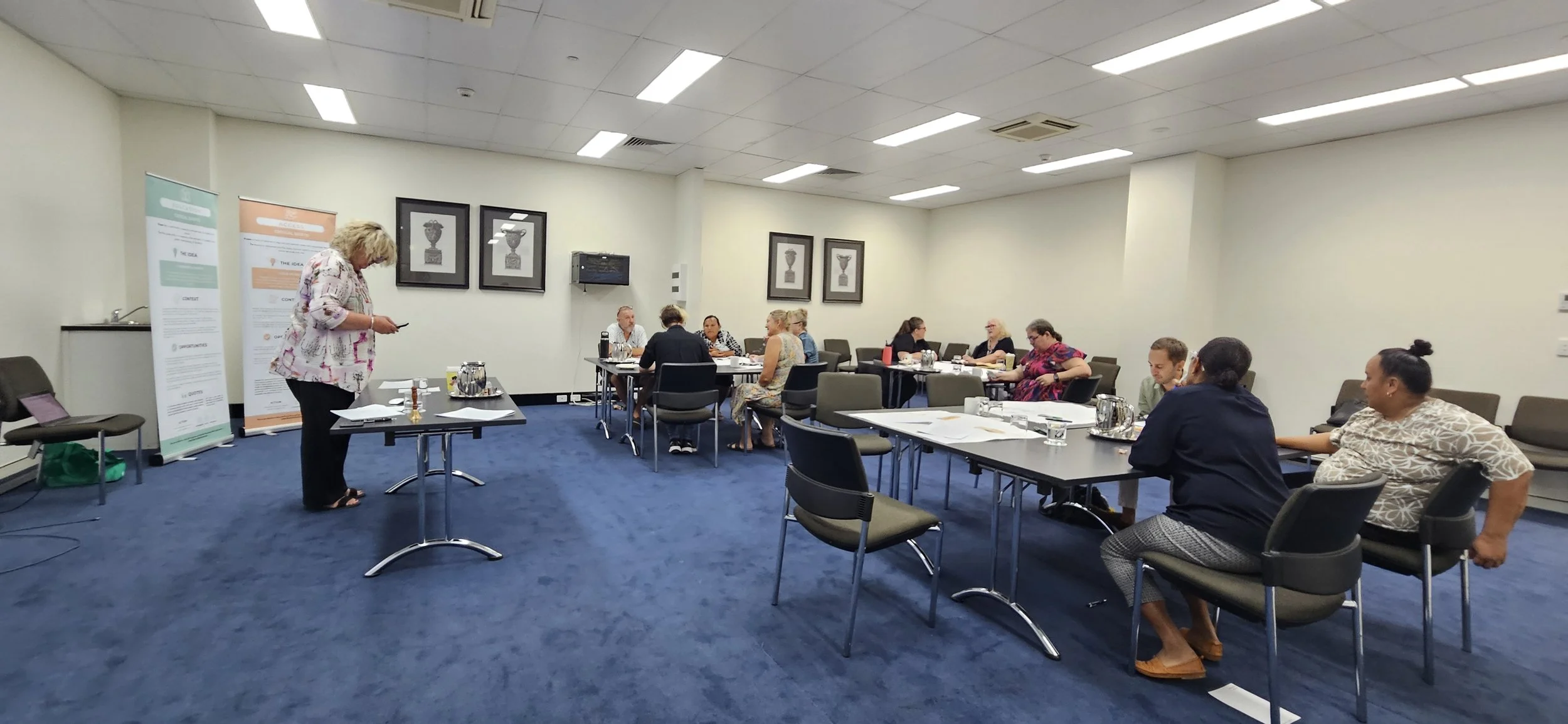
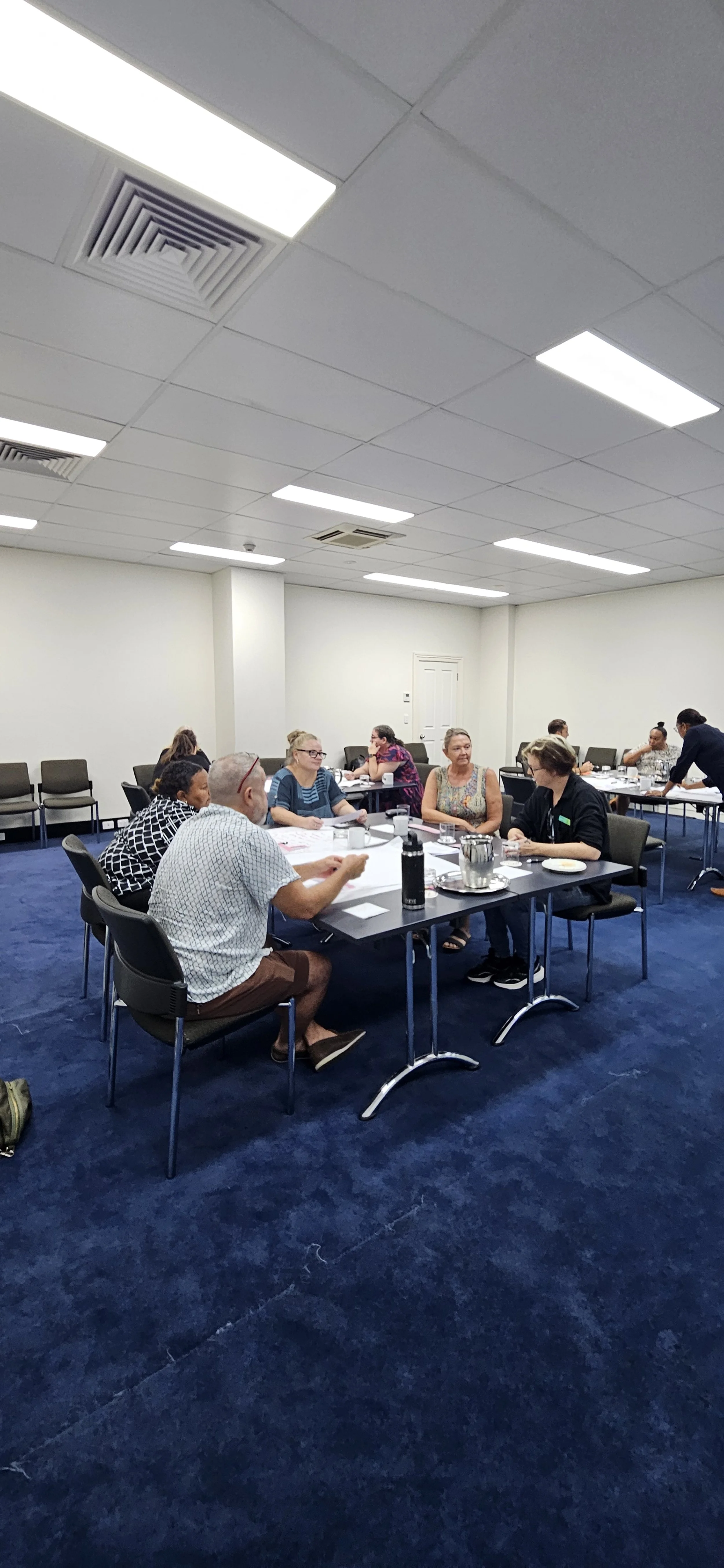
Last week, Life Promotion and Suicide Prevention FNQ hosted 27 people from across Far North Queensland to explore the National Suicide Prevention Strategy and what it means for our communities, our work, and our collective priorities.
The intention behind the session was simple but powerful: to spark curiosity and breathe life into the Strategy, recognising that its true value lies not only in what is written, but in how we use it.
Reframing Our Understanding of Suicidal Distress
The Strategy opens with an important shift in thinking — that suicide and suicidal distress are not solely about mental illness, but rather a human response to overwhelming suffering.
This acknowledgement invites deeper reflection. It asks us to broaden our understanding of distress, to look beyond clinical frameworks, and to explore the social, cultural, relational, and structural contexts that shape people’s experiences.
Gathering Around Core Questions
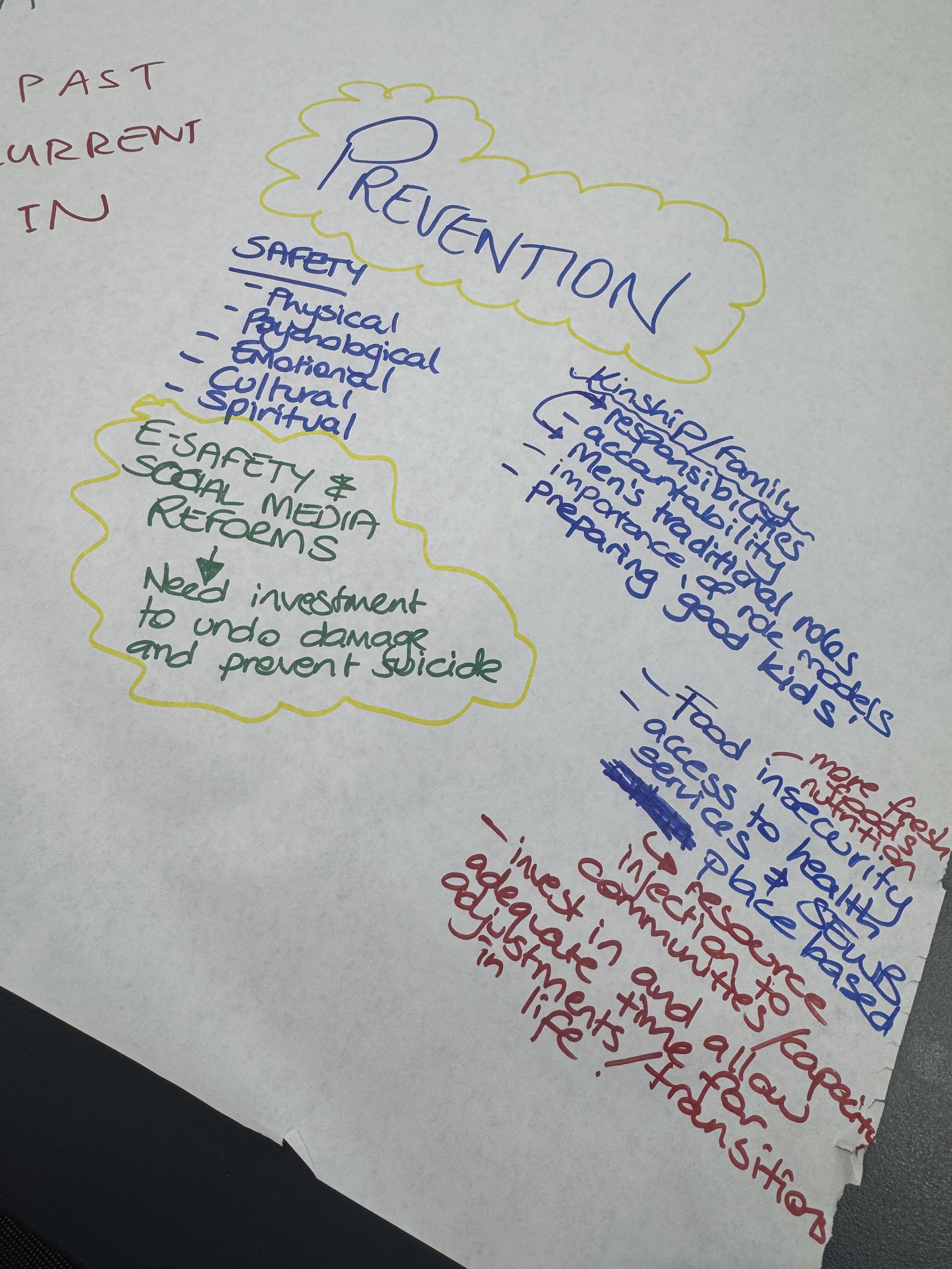
Participants broke into small groups to focus on the three domains of the Strategy:
Prevention, Support, and Critical Enablers.
Each group worked through key guiding questions:
What does this mean for you?
How might you use this?
How does this relate to something you already do?
What do we need to know more about?
We also invited each other to reflect on:
A phrase or sentence that stood out during the discussions
One way each person could support the implementation of the National Suicide Prevention Strategy
These prompts generated vibrant and generous dialogue, highlighting the many ways the Strategy can act as both a guide and a catalyst for new thinking.
What We Heard
Themes emerging from the session reflected both experience and aspiration:
"The strategy stands out as a roadmap — it gives me a clear way to map my work and move forward."
"It reflects much of what I am already doing."
When reflecting on the Support domain — particularly the objective of cultivating a culture of compassion — the group grappled with a powerful question: Is it possible to teach empathy?
From this emerged a shared insight:
"Yes. You teach empathy through deep listening."
Another reflection captured the relational nature of suicide prevention:
"Suicide prevention takes a village."
And finally, a grounding reminder from the Strategy itself:
"At its heart, this Strategy asks governments, agencies, services, communities and all members of the community to recognise their role in suicide prevention and work together to achieve change. There is no more essential task."
Where to From Here?
Our next discussion sessions will continue this exploration, with a focus on:
What we are already doing that aligns with the Strategy
What we may need to do more of
What we may need to let go of
These conversations will shape how the Strategy comes to life across the region — grounded in lived experience, cultural knowledge, community strengths, and shared responsibility.